
Bourbon whiskey vs whiskey: Unveiling the nuanced variations between these spirits, from manufacturing to style. This exploration delves into the distinctive traits of bourbon, analyzing its meticulous crafting course of and the various taste profiles that come up from variations in mash payments and growing old areas. We’ll then broaden our perspective to embody the broader world of whiskey, exploring the distinct varieties and their particular person histories.
The comparability will in the end illuminate the important thing distinctions between bourbon and different whiskeys, highlighting the interaction of substances, manufacturing strategies, and growing old that form their distinctive flavors and costs.
Past the fundamental variations, this in-depth evaluation may even uncover the authorized frameworks governing bourbon manufacturing, contrasting them with different whiskeys. The historic context and cultural significance of each classes will probably be examined, offering a complete understanding of the complicated world of bourbon and whiskey.
Bourbon Whiskey Traits
Bourbon whiskey, a cornerstone of American spirits, boasts a wealthy historical past and complicated manufacturing strategies. Its distinctive taste profile, meticulously crafted by means of particular procedures, units it aside from different whiskeys. Understanding these traits permits for a deeper appreciation of this iconic spirit.The manufacturing of bourbon whiskey is ruled by strict rules, guaranteeing a constant high quality and distinctive character.
These rules dictate the forms of grains used, the growing old course of, and the barrels employed. These meticulous pointers have led to a definite style profile, which units bourbon aside from different whiskeys.
Bourbon Whiskey Manufacturing Course of
The method begins with the cautious choice of grains, predominantly corn. A selected mash invoice, the exact proportions of grains used, dictates the general taste. This mix is then fermented, and the ensuing liquid is distilled. Crucially, bourbon have to be aged in new, charred oak barrels, a course of that imparts its signature taste. The charring course of considerably impacts the ultimate taste profile.
Taste Profile Variations
Bourbon’s taste profile is considerably influenced by the mash invoice and the area the place it is aged. Totally different mash payments, various the proportion of corn, rye, and barley, result in distinct taste notes. For example, a better rye content material can impart spicy notes, whereas a better corn content material leads to a sweeter profile. Ageing areas additionally contribute to the flavour profile, because the local weather and terroir have an effect on the wooden’s interplay with the spirit.
Deciphering the nuances of bourbon whiskey versus different whiskeys is a posh course of. Understanding the particular rules round its manufacturing is essential. This typically results in exploring symbolic representations, just like the infinity signal, which frequently represents the continual nature of craft and custom, particularly when exploring the historical past and evolution of whiskey making, because the infinity sign and meaning typically demonstrates.
In the end, the variations in manufacturing strategies and ensuing flavors are the important thing components that separate these spirits.
Defining Traits of Bourbon
Bourbon whiskey is outlined by a number of key traits. Firstly, it have to be made in america. Secondly, it have to be distilled from a mash invoice containing not less than 51% corn. Thirdly, it have to be aged in new, charred oak barrels. These components create a novel taste profile, readily distinguishable from different forms of whiskey.
These rules and requirements are essential for sustaining the integrity and consistency of bourbon.
Authorized Laws and Requirements
The manufacturing of bourbon whiskey is topic to strict authorized rules, enforced by america Treasury Division’s Alcohol and Tobacco Tax and Commerce Bureau (TTB). These rules are designed to keep up the standard and authenticity of bourbon. The TTB’s rules dictate the manufacturing strategies, together with the mash invoice necessities, the growing old time, and the forms of barrels used.
Comparability of Bourbon Whiskeys
| Title | Area | Grain | Age | Taste Profile |
|---|---|---|---|---|
| Maker’s Mark | Kentucky | Corn, Rye, Barley | 8-10 years | Clean, barely candy with hints of vanilla and spice. |
| Buffalo Hint | Kentucky | Corn, Rye, Barley | 10+ years | Wealthy, complicated, with notes of caramel, oak, and vanilla. |
| Wild Turkey 101 | Kentucky | Corn, Rye, Barley | 10-12 years | Daring, strong, with a noticeable spice and caramel notes. |
Whiskey Past Bourbon
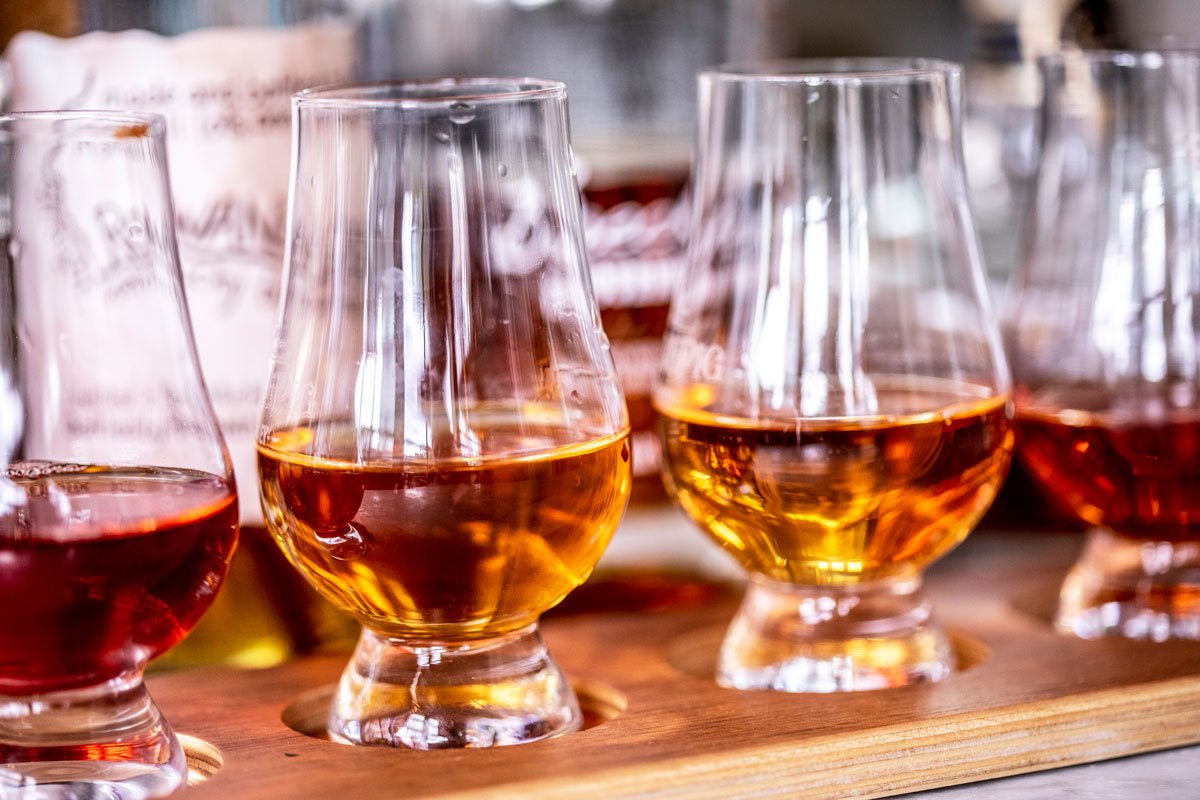
Bourbon, whereas undeniably fashionable, represents only a slice of the huge and numerous world of whiskey. Understanding the broader spectrum of whiskeys unlocks a deeper appreciation for the craft and the nuances of taste. Past the acquainted traits of bourbon, a world of distinctive whiskeys awaits, every with its personal story, manufacturing strategies, and style profile.
Navigating the nuances of bourbon whiskey versus commonplace whiskey may be difficult, however understanding the important thing variations is essential for any connoisseur. In the end, selecting your favourite, like deciding on your private ‘MVP’ on this planet of spirits, will depend on particular person preferences. For a deep dive into the aggressive spirit and recognizing true excellence, see you the real mvp.
In the end, one of the best ways to find out your most popular whiskey kind stays a private exploration of style and high quality.
Normal Traits of Whiskey
Whiskey manufacturing, throughout all kinds, shares elementary rules. These embody the usage of fermented grain mash, distillation, and growing old in wood casks. The particular forms of grains used, the size and kind of growing old, and the actual wooden used within the barrels contribute considerably to the ultimate product’s style and character. Variations in these components are key to the big selection of whiskey experiences out there.
Kinds of Whiskey and Their Manufacturing Strategies
Whiskey manufacturing is geographically numerous, resulting in distinctive expressions. Irish whiskey, as an example, typically makes use of a triple distillation course of, contributing to its easy and generally candy character. Scotch whiskey, famend for its complexity, sometimes employs malted barley, together with different grains, and ages in oak casks. Japanese whiskey, drawing inspiration from world influences, typically makes use of quite a lot of grains and employs strategies discovered from each Scotch and Irish traditions, leading to a particular taste profile.
These regional variations in manufacturing spotlight the intricate interaction of custom and innovation within the whiskey-making course of.
Taste Profiles and Comparisons
The flavour profiles of whiskeys differ dramatically. Bourbon’s signature traits, like vanilla, caramel, and a touch of spice, are distinct from the smokiness and peat notes typically present in Scotch. Irish whiskeys typically show a smoother, extra approachable character with hints of fruit and honey. Japanese whiskeys incessantly exhibit a steadiness of refined flavors, drawing from varied influences, resulting in a definite character.
Understanding the nuances of bourbon whiskey versus different whiskeys is essential to appreciating the craft. Nonetheless, a associated idea to contemplate is “on the take,” which frequently describes somebody being beneath the affect of one thing or somebody. In the end, exploring the subtleties of bourbon whiskey’s manufacturing and its variations from different whiskeys supplies an interesting journey into the world of spirits.
on the take meaning helps us perceive potential implications, including one other layer to the bourbon whiskey vs. whiskey dialogue.
The variations in these taste profiles are largely attributed to the particular grains used, the area’s terroir, and the particular strategies employed throughout manufacturing.
Navigating the nuances of bourbon whiskey versus basic whiskey may be difficult. Whereas each are spirits comprised of grain mash, bourbon’s distinctive manufacturing course of, involving growing old in new charred oak barrels, units it aside. Figuring out this distinction helps when tackling crossword puzzles, like discovering the reply to “showy flower crossword clue” showy flower crossword clue. In the end, understanding the refined variations in these whiskeys supplies a deeper appreciation for his or her distinctive traits.
Historic Context and Cultural Significance
Whiskey manufacturing has a wealthy historical past intertwined with cultural traditions throughout the globe. From the earliest distilling practices to the evolution of contemporary strategies, the story of whiskey is one in all innovation and adaptation. It displays the social, financial, and even political landscapes of the areas the place it’s produced. The event of particular kinds and traits mirrors the cultural values and traditions of every area.
Desk of Typical Taste Notes for Varied Whiskey Varieties
| Whiskey Sort | Grain | Area | Major Taste Notes |
|---|---|---|---|
| Bourbon | Corn, Rye, Barley | United States | Vanilla, caramel, oak, spice |
| Irish | Barley, malted barley | Eire | Clean, candy, honey, fruit |
| Scotch | Malted barley, different grains | Scotland | Smoky, peat, caramel, vanilla, fruit |
| Japanese | Varied grains | Japan | Balanced, refined, floral, fruit |
Bourbon vs. Different Whiskies
Bourbon whiskey, a beloved spirit, stands aside from different whiskeys by means of its distinctive manufacturing strategies and ensuing taste profile. Understanding these distinctions is essential to appreciating the nuances of this American traditional. Its wealthy historical past and meticulous craftsmanship contribute to its enduring reputation. Past its inherent attraction, understanding its variations permits for knowledgeable comparisons with different whiskeys, enriching the general consuming expertise.Past its distinctive style, bourbon’s manufacturing strategies are tightly regulated, impacting its taste profile and setting it aside from different whiskeys.
These rules create a managed setting that contributes to bourbon’s recognizable character. This cautious course of leads to a posh and sometimes nuanced taste that distinguishes it from different whiskeys.
Key Variations in Substances and Manufacturing, Bourbon whiskey vs whiskey
Bourbon’s manufacturing hinges on particular substances and processes. A core distinction lies in the usage of a particular mash invoice, a exact mix of grains, primarily corn. This distinguishes it from different whiskeys, which could function a higher number of grains. The particular proportion of corn within the mash invoice, mandated by legislation, is a vital aspect in shaping bourbon’s distinctive character.
Understanding the nuances of bourbon whiskey versus basic whiskey is essential for any connoisseur. The important thing differentiators typically hinge on the particular mash invoice and growing old processes. This refined distinction in manufacturing is harking back to the lyrics to “Pennies from Heaven,” pennies from heaven lyrics , highlighting the appreciation for the finer particulars. In the end, the selection will depend on private choice, however understanding the specifics will permit for a extra knowledgeable resolution when deciding on your subsequent whiskey.
This authorized mandate ensures a constant taste profile for bourbon.
Ageing Necessities and Taste Profiles
Bourbon’s growing old course of performs a significant function in its growth. New oak barrels, essential to the method, impart refined flavors and aromas into the spirit. The interplay between the bourbon and the wooden is a big think about its last taste profile. This course of, not like another whiskeys, is rigorously regulated.
Worth Level Comparability
The value of bourbon varies significantly based mostly on components just like the distillery, the age of the whiskey, and the standard of the barrel growing old course of. Equally, non-bourbon whiskeys reveal a variety of value factors, influenced by their distinctive manufacturing strategies. A comparability of the value factors reveals that each bourbons and different whiskeys may be discovered at varied value ranges.
Authorized Necessities Comparability
| Whiskey Sort | Grain | Mash Invoice | Ageing Necessities | Proof/ABV |
|---|---|---|---|---|
| Bourbon | Corn, Rye, Barley, Wheat | At the very least 51% corn | Aged in new charred oak barrels | 40-50% ABV (80-100 proof) |
| Rye Whiskey | Rye, Corn, Barley, Wheat | At the very least 51% rye | Aged in new charred oak barrels | 40-50% ABV (80-100 proof) |
| Tennessee Whiskey | Corn, Rye, Barley, Wheat | No particular grain proportion necessities | Filtered by means of charcoal earlier than growing old in new charred oak barrels | 40-50% ABV (80-100 proof) |
| Scotch Whisky | Malted barley, unmalted barley | No particular grain proportion necessities | Aged in oak barrels | 40-50% ABV (80-100 proof) |
The desk above illustrates the contrasting authorized necessities for bourbon and different whiskey varieties, highlighting the distinct parameters of every class. These rules are essential in defining the distinctive character of every kind.
Historic Context
The controversy between bourbon and different whiskeys has a wealthy historical past, stemming from the event of various manufacturing strategies and cultural preferences. Totally different areas have developed their very own traditions and preferences for whiskey manufacturing. Understanding this historic context permits for a extra nuanced appreciation of the present-day whiskey panorama. This wealthy historical past shapes the continuing discussions about bourbon and different whiskeys.
End result Abstract: Bourbon Whiskey Vs Whiskey
In conclusion, the bourbon whiskey vs whiskey debate reveals an interesting interaction of custom, innovation, and regional nuances. Whereas each bourbon and different whiskeys share the basic essence of spirit crafted from grain, the intricate particulars of their manufacturing processes, authorized rules, and historic context create distinct taste profiles and experiences. This evaluation has highlighted the important thing distinctions, permitting for a deeper appreciation of the distinctive traits of every.
In the end, the selection between bourbon and different whiskeys boils down to private choice, however this complete overview equips you with the information to make an knowledgeable resolution.
Continuously Requested Questions
What are the important thing variations in growing old necessities for bourbon in comparison with different whiskeys?
Bourbon, by legislation, have to be aged in new charred oak barrels, an important aspect impacting its taste profile. Different whiskeys, like Scotch or Irish, could use several types of barrels or have different growing old stipulations.
How do mash payments affect the flavour of bourbon and different whiskeys?
Mash payments, the proportions of various grains used within the mash, considerably have an effect on the ultimate style. Totally different grains contribute distinctive flavors and aromas, resulting in distinct taste profiles for varied bourbon and whiskey varieties.
Are you able to advocate start line for somebody new to bourbon or whiskey?
For bourbon, a well-regarded entry-level choice is commonly a typical, straight bourbon. For whiskey, exploring a blended Scotch or Irish whiskey generally is a nice start line, as these typically provide a well-rounded expertise.
What are the everyday value ranges for bourbon and different whiskeys?
Bourbon costs fluctuate significantly, from inexpensive entry-level choices to premium, collectible bottles. Equally, costs for different whiskeys, similar to Scotch or Japanese, fluctuate based mostly on age, rarity, and producer popularity.
