
Owl on a one greenback invoice—a seemingly easy picture, but its presence holds a wealth of which means. From cultural symbolism to historic context, this exploration dives deep into the intricate story behind the feathered icon on America’s forex. We’ll uncover the potential interpretations of the owl’s inclusion, tracing its journey via time and inspecting its attainable connection to the idea of cash and the US authorities itself.
This investigation guarantees an interesting have a look at a element usually neglected, revealing a shocking depth to a seemingly atypical piece of paper cash.
The owl’s presence on the one-dollar invoice is not a random inclusion. Its symbolism throughout varied cultures offers an important lens via which to grasp the picture’s potential meanings. The greenback invoice itself has developed via time, mirroring societal shifts and financial climates. This exploration will unravel the intricate connections between the owl’s imagery, the historic evolution of the invoice, and the potential cultural and creative interpretations that come up from this distinctive pairing.
The Owl’s Symbolism on the Greenback Invoice
The one-dollar invoice, a cornerstone of the American economic system, usually carries delicate but important symbolism. The presence of the owl, a fowl with a protracted and sophisticated historical past of cultural associations, provides one other layer of which means. Understanding the symbolism surrounding the owl provides insights into the deeper implications embedded throughout the nation’s forex. This exploration will delve into the multifaceted meanings related to owls throughout totally different cultures, inspecting how these interpretations may relate to the idea of cash and the US authorities.The owl, often showing in mythology and folklore, is usually linked to knowledge, data, and intelligence.
These traits are sometimes seen as essential elements of a sturdy and steady economic system. The owl’s nocturnal nature additionally suggests vigilance and the flexibility to see into the longer term, traits which may be related to prudent monetary administration and foresight. Moreover, the owl’s affiliation with the hunt and commentary could trace at a strategic strategy to the economic system.
Owl Symbolism Throughout Cultures
Owls have held various symbolic meanings throughout cultures all through historical past. Their presence in historical folklore and modern iconography offers a wealthy tapestry of interpretations. Understanding these various associations is essential to deciphering the potential symbolism of the owl on the greenback invoice.
Comparative Evaluation of Owl Symbolism
| Tradition | Symbolism | Connection to Cash |
|---|---|---|
| Historical Greece | Knowledge, data, prophecy | Potential hyperlink to the worth and enduring nature of forex |
| Historical Rome | Omens, safety, and even loss of life | Might symbolize the facility and affect of the Roman empire, probably mirrored in monetary techniques |
| Native American Cultures (varied tribes) | Spirit guides, messengers between worlds, and even symbols of loss of life and transformation | Might symbolize the connection between the land and monetary prosperity. The owl’s position as a messenger may signify communication and transactions. |
| European Folklore | Typically related to witchcraft and the supernatural, or as symbols of unhealthy luck | Might recommend a cautionary component concerning the risks and uncertainties of the monetary world |
| East Asian Cultures (e.g., Japan) | Knowledge, data, and in addition loss of life or sorrow, relying on the context | Potential connection to long-term funding and the enduring nature of forex, but additionally the potential loss and uncertainties |
The desk above offers a glimpse into the various interpretations of owls throughout varied cultures. These various cultural views spotlight the complexity of symbolism and the necessity for a nuanced understanding when analyzing the owl’s presence on the greenback invoice.
Historic Context and Design Evolution
The one-dollar invoice, a ubiquitous image of American forex, has undergone important transformations all through its historical past. Understanding this evolution reveals not solely the altering aesthetic preferences but additionally the societal and financial forces that formed the nation. From early designs to fashionable iterations, the invoice’s visible parts mirror the period’s creative sensibilities and the prevailing financial local weather.The design of the one-dollar invoice is deeply intertwined with the nation’s historic trajectory.
Shifting priorities, technological developments, and creative tendencies all left their mark on the invoice’s look. Analyzing these adjustments offers insights into the cultural and financial forces that formed the nation.
Timeline of Design Adjustments
The one-dollar invoice’s evolution showcases an interesting interaction between artistry and practicality. Completely different eras prioritized totally different design parts, reflecting the altering priorities of the nation. The inclusion of an owl, or every other image, is probably going a results of the identical interaction.
- Early 1860s to Eighteen Nineties: Preliminary designs targeted on practicality and readability. Early one-dollar payments featured comparatively easy imagery, prioritizing readability and security measures. The inclusion of symbols, if any, probably served fundamental aesthetic functions fairly than complicated symbolism.
- Late 1800s to Early 1900s: Enhancements in printing expertise and an growing consciousness of design rules led to extra intricate engravings. The addition of ornamental thrives and extra detailed portraits additional elevated the aesthetic attraction. The owl’s attainable presence throughout this era, if any, would have probably been delicate, reflecting the period’s total design preferences.
- Mid-Twentieth Century: The introduction of superior security measures grew to become more and more vital. Designs integrated new printing strategies and enhanced coloration palettes. The inclusion of an owl, or any symbolic picture, on this interval would want to align with the brand new emphasis on safety and visible readability. The design probably mirrored a steadiness between visible attraction and enhanced safety measures.
- Late Twentieth Century to Current: Trendy iterations of the one-dollar invoice proceed to emphasise safety measures and incorporate superior printing strategies. The owl’s presence, or absence, on these payments is greatest understood within the context of the period’s creative tendencies and evolving safety wants. The evolution in security measures was essential in deterring counterfeiting, which influenced the design selections.
Potential Connections Between Design and Historic Occasions, Owl on a one greenback invoice
The looks of the one-dollar invoice just isn’t merely a matter of creative selection. The design selections probably mirror broader political and financial tendencies of the period. Analyzing the inclusion of the owl (or any image) can reveal insights into the cultural values and anxieties of the time.
| Yr | Design Options | Owl’s Position (if any) |
|---|---|---|
| 1862 | Early design, easy portrait, minimal elaborations | Possible absent or very delicate, if current. |
| 1914 | Elevated element in portrait, extra ornate borders. | Doubtlessly current however probably unnoticeable. |
| 1928 | Introduction of a brand new portrait, improved security measures. | Might have been integrated, or eliminated, based mostly on safety and aesthetic priorities. |
| 1996 | Vital redesign targeted on enhanced safety, fashionable printing strategies. | Owl’s presence, if any, would have been built-in into the brand new design parts. |
Potential Cultural and Creative Interpretations
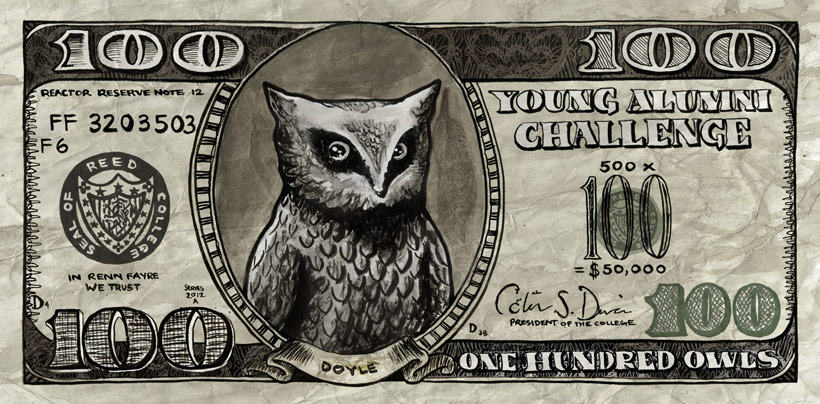
The owl, a recurring image on the one-dollar invoice, holds a wealthy tapestry of cultural and creative significance. Past its financial perform, the owl’s presence invitations exploration of its symbolism throughout varied artwork varieties. This exploration examines how artists have, and probably might, interpret the owl’s illustration on forex. It additionally considers how this illustration compares to related symbols in different creative contexts.The owl’s look on the greenback invoice offers a novel lens via which to look at its cultural resonance.
Its presence on a bit of forex, a medium of alternate, prompts reflection on the interaction between monetary techniques and creative expression. This connection between the tangible and the intangible – the financial and the aesthetic – fuels the potential for various creative interpretations.
Creative Interpretations of the Owl
The owl, an emblem of knowledge, thriller, and commentary, has captivated artists for hundreds of years. Its presence on the greenback invoice provides a fertile floor for artists to discover themes of information, notion, and the connection between the tangible and the intangible. Artists could draw inspiration from the owl’s illustration on the invoice, exploring its symbolism in their very own work.
The owl, on this context, transcends its financial perform and turns into a muse for creative expression.
Comparative Evaluation of Symbols
The owl, usually paired with knowledge and foresight, finds parallels in different symbolic representations throughout artwork historical past. Comparisons with different animals, such because the phoenix (representing rebirth and immortality) or the raven (related to prophecy and loss of life), can reveal fascinating contrasts and customary threads in creative interpretations. Analyzing how these symbols have been depicted and interpreted throughout totally different eras can make clear the evolving meanings attributed to the owl on the greenback invoice.
As an example, the owl’s affiliation with data may be juxtaposed with the symbolic illustration of wealth or energy in different creative mediums.
Potential Artists Impressed by the Owl on the Greenback Invoice
Quite a few artists, each modern and historic, have been impressed by pure imagery and symbolism. Given the owl’s presence on the one-dollar invoice, sure artists identified for his or her evocative interpretations of nature and symbolism may need discovered inspiration in its presence on the forex. Artists like Georgia O’Keeffe, famend for her close-up depictions of flowers and nature, and even modern artists who work with printmaking and imagery may discover resonance within the owl’s look on the greenback invoice.
A Potential Creative Exhibit: Owl and Cash
A possible creative exhibit might discover the connection between the owl, cash, and creative expression. The exhibit might characteristic a structured strategy, showcasing varied aspects of this connection.
| Artist | Paintings | Inspiration from Invoice |
|---|---|---|
| Georgia O’Keeffe | Numerous flower research | Owl’s presence on invoice as an emblem of nature’s knowledge |
| Andy Warhol | Greenback invoice collection | Owl as a recurring motif on forex, reflecting on societal values and financial techniques |
| Frida Kahlo | Self-portraits | Owl’s knowledge and introspection as a metaphor for the human situation |
Final Phrase

In conclusion, the owl on the one-dollar invoice, removed from being a mere aesthetic element, presents a compelling narrative woven via cultural symbolism, historic context, and creative interpretations. This evaluation has make clear the potential meanings embedded inside this seemingly easy picture. From its position as an emblem in varied cultures to its evolution alongside the invoice’s design, the owl provides a window into the complicated interaction of artwork, historical past, and economics.
Additional analysis and interpretation are inspired to proceed this fascinating dialogue. In the end, the owl on the one-dollar invoice serves as a reminder of the layered meanings embedded in even probably the most commonplace objects.
Basic Inquiries: Owl On A One Greenback Invoice
What are some various interpretations of the owl’s presence on the greenback invoice, past the cultural symbolism?
Whereas cultural symbolism offers a powerful basis, various interpretations might discover potential connections to particular historic occasions or political figures. Maybe the owl’s placement displays a want to instill a way of knowledge or vigilance within the nation’s forex. Additional analysis into historic contexts may reveal extra nuanced views.
How may the owl’s presence on the greenback invoice relate to the broader idea of American identification?
The owl’s presence on the greenback invoice, given its historic and cultural significance, might be analyzed as a mirrored image of American values and aspirations. By finding out the owl’s symbolism in relation to the evolution of American identification, we would uncover a extra profound connection to the nation’s narrative.
Might the owl’s design on the invoice have been influenced by particular creative actions or tendencies of the period?
Analyzing the design tendencies of the period wherein the owl was featured might reveal attainable creative influences. This evaluation might contain evaluating the owl’s design parts to modern artwork items, probably uncovering connections between creative types and the visible language of the greenback invoice.
