
What is the distinction between bourbon whiskey and whiskey? This query sparks passionate debate amongst whiskey fans. Whereas each are distilled spirits made out of grains, bourbon carries distinctive traits resulting from particular laws and manufacturing strategies.
Understanding these distinctions is essential to appreciating the nuances of every. From the grains used to the growing older course of, and the distinctive taste profiles, we’ll dive deep into the fascinating world of bourbon and whiskey.
Defining Bourbon and Whiskey
Understanding the distinctions between bourbon and whiskey is essential for appreciating the nuances of those spirits. Each are kinds of whiskey, however particular laws and processes differentiate them. This exploration delves into the detailed traits of every, highlighting the elements, manufacturing strategies, and authorized necessities that outline these well-liked spirits.
Bourbon Whiskey: A Detailed Description
Bourbon whiskey is a particular kind of American whiskey. Its distinctive traits stem from a mixture of elements and manufacturing strategies. A key defining function is the usage of a particular kind of grain mash, usually corn. The excessive proportion of corn within the mash is a essential factor. Moreover, the mash should be fermented and distilled in copper pot stills.
This conventional technique contributes to the distinctive taste profile of bourbon. Lastly, the growing older course of, which should happen in new, charred oak barrels, additional shapes the spirit’s character.
Whiskey: A Complete Overview
Whiskey is a broad class of spirits, encompassing varied kinds and regional variations. In contrast to bourbon, whiskey does not have a single set of strict laws. Its manufacturing strategies and elements fluctuate based mostly on native traditions and authorized frameworks. Whereas corn is usually utilized in whiskey manufacturing, different grains like rye or barley are additionally frequent. The distillation course of can contain several types of stills, and the growing older course of could happen in varied kinds of barrels, impacting the ultimate taste profile.
Understanding the nuances between bourbon and different whiskeys entails extra than simply the mash invoice. An important factor to contemplate is the “DTR,” an idea that usually dictates the standard and style of a selected spirit, which you’ll be able to be taught extra about at what is a DTR. In the end, the variations within the manufacturing means of bourbon versus different whiskeys are key to unlocking the subtleties of taste.
Evaluating Bourbon and Whiskey Substances and Processes
The elemental distinction lies within the particular elements and processes. Bourbon, by definition, should be made primarily from a mash invoice containing not less than 51% corn. Different grains, reminiscent of rye or barley, may also be included, however the corn part is important. Whiskey, however, has a wider vary of acceptable grain combos, permitting for a higher variety of taste profiles.
The growing older course of, although vital for each, is topic to various authorized necessities. Bourbon should be aged in new, charred oak barrels, whereas whiskey growing older can happen in quite a lot of containers.
Authorized Necessities for Labeling a Spirit as “Bourbon”
In the US, particular authorized necessities should be met for a spirit to be labeled as “Bourbon.” These laws, enforced by the Alcohol and Tobacco Tax and Commerce Bureau (TTB), dictate the particular proportion of corn within the mash invoice, the kind of barrels used for growing older, and the minimal growing older interval. These requirements assist customers determine and admire genuine bourbon.
Understanding the nuances of bourbon whiskey versus basic whiskey requires a eager eye for element, much like recognizing somebody who’s excessive strung. What does it mean to be high strung ? It usually boils right down to particular manufacturing strategies and elements, finally shaping the ultimate style. In the end, appreciating these distinctions reveals the complexity of each the spirit and the particular person.
Bourbon whiskey, as an illustration, should be aged in new charred oak barrels, setting it other than different whiskeys.
Bourbon vs. Whiskey: A Comparative Desk
| Kind | Substances | Course of | Area of Origin |
|---|---|---|---|
| Bourbon | A minimum of 51% corn, with different grains allowed | Distilled in copper pot stills, aged in new, charred oak barrels | United States |
| Whiskey (Different Varieties) | Assorted grain combos (e.g., rye, barley) | Distilled utilizing varied strategies, aged in numerous barrels | Varied international locations |
Distinguishing Elements
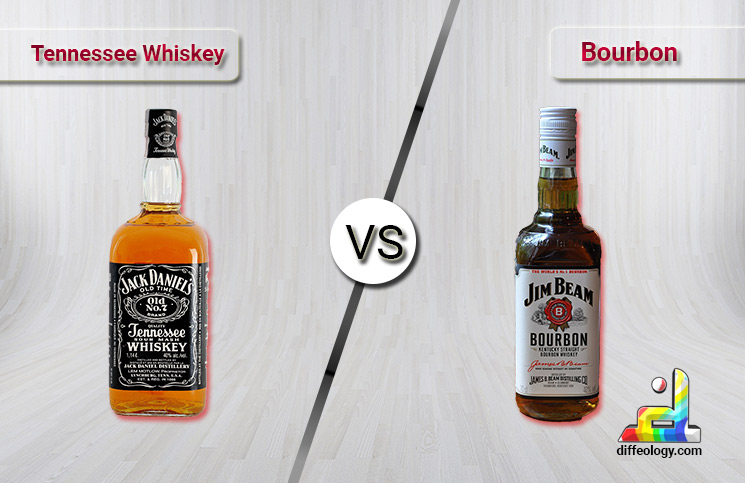
Understanding the nuances between bourbon and different whiskeys hinges on a deep dive into their distinct manufacturing processes. These variations, usually delicate, finally form the distinctive taste profiles that outline every class. Bourbon’s identification is intricately woven into particular laws and traditions. These elements, from the grains used to the growing older course of, are essential to appreciating the nuances of every spirit.The manufacturing of bourbon and different whiskeys, whereas sharing some similarities, diverges considerably in key elements.
The specifics of grain choice, maturation strategies, and permissible components instantly influence the ultimate product. By exploring these distinctions, we will admire the complexity and artistry behind every spirit.
Grain Composition and Mash Payments
Bourbon’s character is essentially tied to its grain composition. The required mash invoice for bourbon whiskey dictates a minimal of 51% corn. This contrasts sharply with different whiskeys, which can make the most of a wider vary of grains, like rye, barley, or wheat. This vital distinction within the mash invoice profoundly influences the ensuing taste profile.
Understanding the nuances of bourbon whiskey versus common whiskey is essential for any connoisseur. Whereas each are whiskeys, bourbon has particular necessities, together with being aged in new, charred oak barrels. This significant distinction impacts the ultimate taste profile. For these trying to categorical sentiments in Spanish, discovering the suitable phrase to say “go along with God” in Spanish is perhaps useful.
go with god in spanish language In the end, appreciating the delicate variations in whiskey varieties, like bourbon, enhances the general expertise.
- Bourbon’s distinctive sweetness and clean mouthfeel are largely attributed to the substantial corn part in its mash invoice. Different whiskeys could exhibit spicier, extra sturdy flavors, owing to various grain compositions.
- The proportion of grains within the mash invoice considerably influences the general character of the whiskey. For instance, a better rye content material in a whiskey will produce a extra pungent and spicy taste.
Growing older and Maturation Processes
Growing older performs a essential function in growing the nuanced taste profiles of each bourbon and different whiskeys. The size and circumstances of growing older can considerably influence the ultimate product’s style.
- Bourbon is legally required to be aged in new, charred oak barrels. This particular maturation course of imparts a definite vanilla and oaky character, a signature factor of bourbon. Different whiskeys could make the most of several types of barrels or growing older strategies, resulting in variations in taste.
- The method of charring the oak barrels for bourbon imparts particular compounds that considerably influence the style. The length of growing older additionally impacts the ultimate product, contributing to the complexity of the flavour profile.
- The interplay between the spirit and the wooden throughout growing older is essential. The kind of wooden, the charring course of, and the size of time the whiskey spends within the barrel are all elements that contribute to the distinct taste profile.
Components and Permitted Substances
The checklist of permitted components through the manufacturing course of additional distinguishes bourbon from different whiskeys.
- Bourbon manufacturing is strictly regulated. The usage of sure components is prohibited, whereas others are permitted in particular quantities. This strict adherence to laws shapes the ultimate product’s character. Different whiskeys may need extra flexibility when it comes to components.
- The permitted components are rigorously managed to make sure the integrity of the bourbon’s character. These laws keep the distinct identification of bourbon.
Comparative Mash Invoice Desk
The desk beneath highlights the essential variations in mash payments between bourbon and different whiskeys. These variations instantly influence the ultimate taste profile of the spirit.
| Whiskey Kind | Corn | Rye | Barley | Wheat | Different |
|---|---|---|---|---|---|
| Bourbon | 51% minimal | 49% most | Optionally available | Optionally available | None |
| Rye Whiskey | 51% most | 51% minimal | Optionally available | Optionally available | None |
| Scotch Whisky | Optionally available | Optionally available | Frequent | Optionally available | Might fluctuate |
Taste Profiles and Purposes
Understanding the nuances of taste profiles is essential to appreciating the various world of whiskeys. Bourbon, with its distinct character, usually finds itself in a novel place in comparison with different whiskeys. This part delves into the everyday taste profiles of each Bourbon and different whiskeys, highlighting their variations in style and aroma. We’ll additionally discover how these whiskeys are utilized in cocktails and as pairings for varied meals.The expertise of whiskey is deeply private, influenced by particular person preferences and experiences.
Nonetheless, frequent traits emerge throughout differing types, permitting for generalizations and comparisons. Understanding these patterns may also help one navigate the world of whiskeys with confidence, recognizing the distinct qualities of every.
Bourbon Taste Profiles
Bourbon’s taste profile is deeply rooted within the particular traits of its manufacturing. Oak growing older is a main issue, imparting a spectrum of flavors that vary from vanilla and caramel to notes of spice and generally even a touch of smoke. The char degree of the oak barrels considerably influences the ultimate style. The corn-heavy mash invoice contributes a definite sweetness that types the spine of many Bourbon flavors.
Many examples exhibit a wealthy, advanced, and nuanced profile, showcasing quite a lot of delicate tastes and aromas.
Different Whiskey Taste Profiles
Different whiskeys, like Scotch, Irish, and Japanese, every boast distinctive traits resulting from their distinct manufacturing strategies and elements. Scotch, usually recognized for its smokiness and peaty notes, showcases the affect of its particular terroir. Irish whiskey usually reveals a smoother, sweeter profile, whereas Japanese whiskey steadily reveals a extra delicate and balanced character, generally with delicate fruity notes.
The number of flavors throughout totally different whiskey varieties is huge, showcasing the distinctive qualities of every.
Variations in Style and Aroma, What is the distinction between bourbon whiskey and whiskey
The distinctions between Bourbon and different whiskeys lie of their elementary composition and manufacturing processes. Bourbon’s required corn-heavy mash invoice contributes a attribute sweetness usually lacking in different whiskeys. The usage of new, charred oak barrels throughout growing older imparts a novel vanilla and caramel character that differentiates it. Scotch, as an illustration, usually presents a extra advanced profile with notes of peat smoke and a richer depth.
Understanding the nuances of bourbon versus common whiskey is essential for discerning drinkers. An important distinction lies within the mash invoice and growing older course of. This pertains to a captivating linguistic exploration of phrases, like these with the letters ‘z’ and ‘x’, present in words with letter z and x. In the end, realizing the variations in elements and manufacturing strategies clarifies the distinct traits of every kind of whiskey.
The variations in taste and aroma between several types of whiskey spotlight the intricate interaction of elements and processes of their creation.
Bourbon in Cocktails
Bourbon’s versatility shines by way of in cocktails. Its sturdy character makes it a powerful basis for a lot of cocktails, from the basic Outdated Long-established to extra fashionable creations. The sweetness and spice in Bourbon can complement a big selection of different elements, creating advanced and balanced drinks. Its heat and welcoming nature makes it a well-liked selection for each basic and modern cocktails.
Different Whiskeys in Cocktails
Different whiskeys, like Scotch, supply a novel character in cocktails. The smokiness of Scotch can complement sweeter elements, whereas the smoothness of Irish whiskey gives a fragile stability. The selection of whiskey for a cocktail will depend on the specified taste profile and the general expertise one is aiming for. Experimentation is essential in discovering new and thrilling cocktails.
Understanding the nuanced distinction between bourbon whiskey and whiskey is essential. Similar to a rolling stone gathers no moss, constant effort and exploration are essential to attaining mastery on this space. This requires a deep dive into the particular manufacturing processes and laws that distinguish bourbon from different whiskeys. An excellent grasp of those distinctions is vital for any whiskey connoisseur.
a rolling stone gathers no moss. In the end, the excellence boils right down to particular elements and the distinctive growing older course of.
Meals Pairings
Meals pairings with whiskey can improve the general eating expertise. The complexity of taste in every kind of whiskey can create a harmonious pairing with rigorously chosen dishes. The sweetness of Bourbon, for instance, can pair effectively with desserts, whereas its spice notes can complement savory dishes.
Comparability Desk: Meals Pairings with Bourbon and Different Whiskeys
| Whiskey Kind | Typical Meals Pairings | Particular Examples |
|---|---|---|
| Bourbon | Grilled meats, spicy dishes, wealthy desserts | Grilled steak with bourbon glaze, spicy Asian delicacies, chocolate cake |
| Scotch | Smoked salmon, sport meats, sturdy cheeses | Smoked salmon with dill cream sauce, venison stew, aged cheddar |
| Irish Whiskey | Seafood, roasted rooster, mild desserts | Grilled fish with lemon butter sauce, roasted rooster with herbs, apple pie |
| Japanese Whiskey | Sushi, sashimi, delicate Asian delicacies | Salmon nigiri, sashimi with soy sauce, stir-fried greens |
Closing Notes: What’s The Distinction Between Bourbon Whiskey And Whiskey
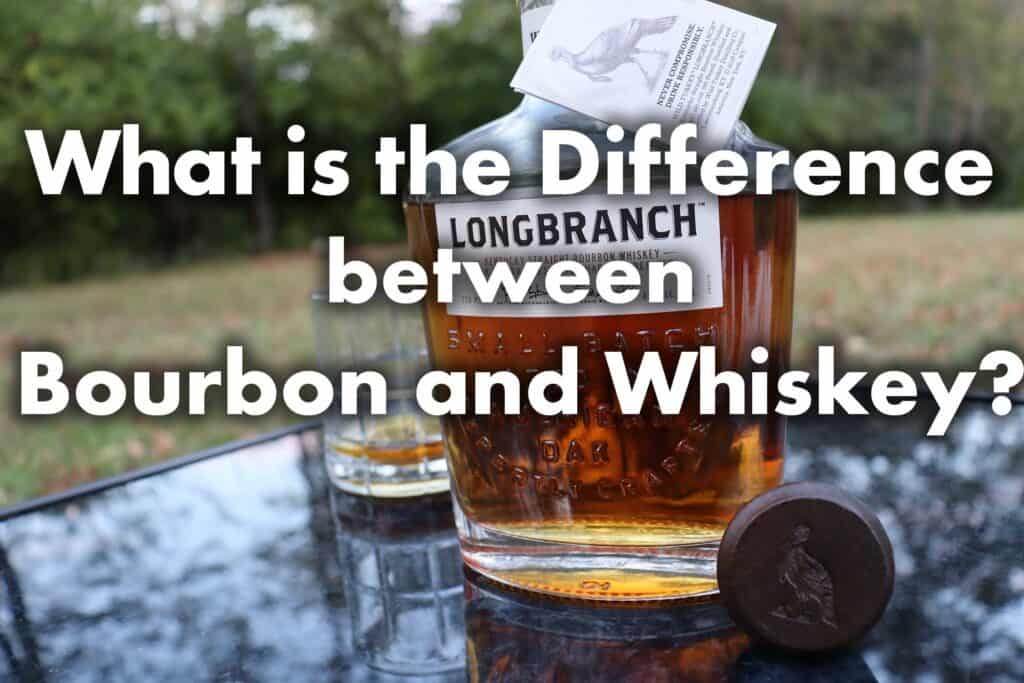
In conclusion, bourbon and whiskey, whereas each falling below the broad class of whiskey, exhibit vital variations of their elements, manufacturing strategies, and ensuing taste profiles. This data empowers you to confidently select and admire the subtleties of every. Whether or not you are a seasoned connoisseur or a curious novice, understanding these variations unlocks a deeper appreciation for these advanced spirits.
Person Queries
What are the authorized necessities for labeling a spirit as “Bourbon” in the US?
To be labeled “Bourbon,” the whiskey should be made within the USA, distilled from a mash invoice containing not less than 51% corn, aged in new charred oak barrels, and meet particular pointers relating to the growing older course of. These laws are essential to sustaining the integrity of the bourbon designation.
How does growing older affect the flavour profile of bourbon and whiskey?
Growing older in oak barrels imparts distinct flavors and aromas. The char degree and sort of wooden used considerably influence the ultimate product. Bourbon’s use of latest, charred oak barrels contributes to its distinctive character, whereas different whiskeys could make the most of several types of barrels, influencing their distinctive taste profiles.
What are some frequent meals pairings for bourbon and different whiskeys?
Bourbon pairs effectively with grilled meats, spicy dishes, and wealthy desserts. Different whiskeys, like Scotch, Irish, or Rye, supply totally different taste profiles and pairings, from savory dishes to fruit-forward desserts. Exploring these pairings enhances the ingesting expertise.
What are the everyday taste profiles of bourbon and different whiskeys?
Bourbon usually reveals notes of vanilla, caramel, and spice. Different whiskeys, like Scotch, showcase smoky, peat-influenced notes, whereas Irish whiskey would possibly current hints of fruit or sweetness. These distinctions are largely as a result of variations within the grain mash, distillation, and growing older processes.
