
Unveiling the distinction between whiskey and bourbon whiskey, this exploration delves into the nuances that separate these spirits. Understanding these distinctions is essential for any connoisseur or curious drinker embarking on a journey to understand the nuances of this traditional class.
From the grains used to the precise growing old processes, the variations are extra important than many notice. This deep dive won’t solely make clear the technicalities but in addition illuminate the distinct traits that outline every spirit.
Understanding the nuances between whiskey and bourbon whiskey is vital. A important distinction lies within the mash invoice, with bourbon requiring a selected corn-based composition. This results in a unique taste profile. Delving deeper, take into account the essential position of the seven letter phrases starting with ‘t’ within the growing old course of, which additional shapes the character of the ultimate product.
Seven letter words beginning with t are sometimes used to explain the intricate flavors. In the end, appreciating the variations boils down to those nuanced elements, highlighting the complexity of those spirits.
Whiskey and bourbon whiskey, each beloved spirits, typically get confused. Whereas they share a household resemblance, key variations exist of their manufacturing strategies, leading to distinct flavors and traits. This text dives deep into the nuances, shedding gentle on the distinctive journey of every spirit from grain to glass.
The Essence of Whiskey: A Broad Overview
Whiskey, in its broadest sense, is a spirit constituted of fermented grain mash. This mash, usually containing barley, corn, rye, and wheat, undergoes a fancy distillation course of. The particular grains used, together with the mashing and fermentation methods, contribute considerably to the ultimate taste profile. Crucially, the growing old course of in new, charred oak barrels is a defining ingredient for all whiskeys, influencing shade, aroma, and style.
Bourbon Whiskey: A Subset with Particular Necessities
Bourbon whiskey is a selected kind of whiskey, ruled by strict rules. These rules, enshrined in US regulation, dictate the precise elements and manufacturing strategies. Corn is a key ingredient, often making up not less than 51% of the grain invoice. This excessive corn content material is a defining function, contributing to bourbon’s attribute sweetness and easy texture. Moreover, the barrels used for growing old have to be new, charred oak barrels, additional influencing the ultimate product’s style.
Key Variations in a Nutshell
Grain Composition
Bourbon: Should include not less than 51% corn. Rye and barley may be included, however the corn content material is essential.
Whiskey: Can use a wide range of grains, together with corn, rye, barley, and wheat, with no particular proportion requirement for anybody grain.
Understanding the nuanced distinction between whiskey and bourbon whiskey is essential for any discerning drinker. Bourbon, particularly, have to be made within the US, utilizing a selected mash invoice and growing old course of. Understanding methods to accurately spell colours like turquoise, as an example, how to spell turquoise the color , is necessary, however arguably much less so than greedy the basic variations in manufacturing strategies for these spirits.
These subtleties in manufacturing strategies and rules are key to the distinctions in taste profiles.
Geographical Origin
Bourbon: Should be produced in the US.
Whiskey: Whereas the time period “whiskey” can discuss with spirits produced in lots of nations, it is mostly related to Irish, Scotch, and Japanese whiskey, amongst others.
Understanding the nuances between whiskey and bourbon whiskey is essential for any connoisseur. A key differentiator lies within the mash invoice and growing old course of. Crucially, this distinction is sort of totally different from the thin candle crossword clue you would possibly discover in a unique context. In the end, realizing these particulars will show you how to admire the refined variations in taste profiles between these spirits.
Charred Oak Barrels
Bourbon: Should be aged in new, charred oak barrels. The charring course of provides important taste and shade to the bourbon.
Whiskey: Could or will not be aged in charred oak barrels, relying on the kind of whiskey.
Particular Growing older Time, Distinction between whiskey and bourbon whiskey
Bourbon: No minimal growing old time is remitted, although longer growing old typically ends in extra complicated flavors.
Whiskey: Could have minimal growing old necessities relying on the kind (e.g., Scotch, Irish).
Taste Profiles and Tasting Notes
The variations in grain composition and growing old processes result in considerably totally different taste profiles. Bourbon typically displays notes of vanilla, caramel, and oak, whereas whiskey can embody a wider vary of flavors relying on the precise kind. For instance, Irish whiskey could function notes of fruit, whereas Scotch typically displays smoky undertones.
Understanding the nuances of whiskey, significantly differentiating it from bourbon, is essential for connoisseurs. A key ingredient lies within the mash invoice, a six letter phrase beginning with “l” that is important to the method. Learn more about this six-letter word. In the end, the distinction boils all the way down to the precise grains used of their manufacturing, impacting the ultimate taste profile.
Examples of Totally different Taste Profiles
- Bourbon: Usually showcases a candy, easy, and barely spicy character.
- Irish Whiskey: Might be extra delicate and fruity, with notes of honey or vanilla.
- Scotch Whisky: Continuously presents smoky or peaty traits.
Past the Fundamentals: Additional Concerns
Understanding the variations goes past easy definitions. Components like the precise mash invoice, the kind of oak used for the barrels, and the size of time spent growing old all contribute to the distinctive traits of every spirit. Experimenting with differing types and types can result in a deeper appreciation for the complexities of each whiskey and bourbon.
Conclusion
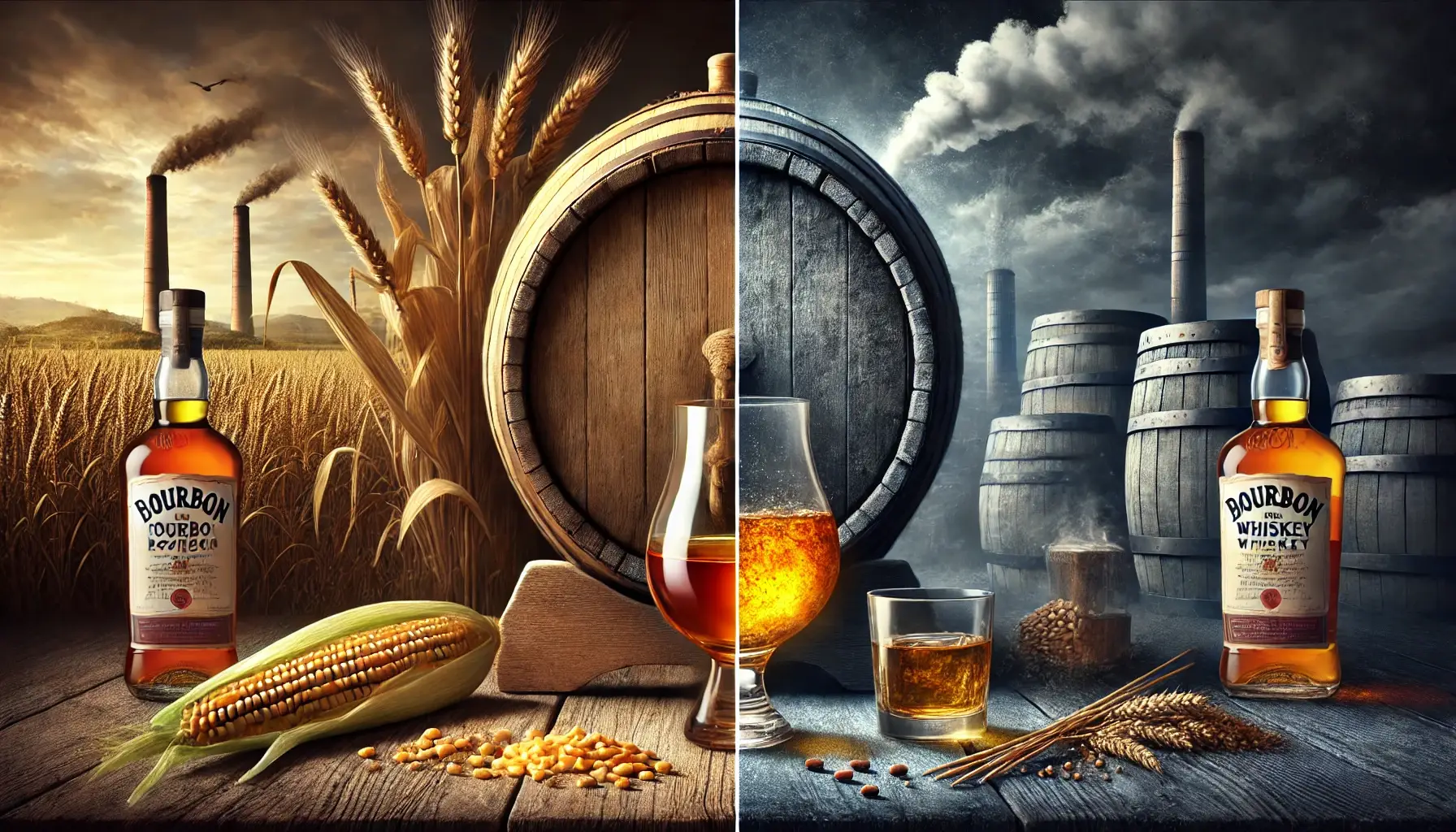
Whereas each whiskey and bourbon whiskey are pleasant spirits, their distinct traits stem from their totally different manufacturing processes. Bourbon’s obligatory corn content material and particular growing old necessities give it a singular taste profile. Whiskey, in distinction, enjoys a wider vary of elements and growing old strategies, leading to a broader spectrum of tastes. Exploring these variations will result in a richer understanding of the craft of distilling.
Subsequent Steps: Discover the varied world of whiskey varieties by studying our articles on [See also: Different Types of Irish Whiskey] and [See also: Exploring the Nuances of Scotch Whisky]. Depart your feedback and questions beneath; we might love to listen to your ideas!
In conclusion, whereas each whiskey and bourbon whiskey supply distinctive taste profiles, the important thing variations of their manufacturing strategies and elements create distinctly separate spirits. Understanding these distinctions empowers drinkers to understand the complexity and craftsmanship behind every. In the end, the selection comes down to private choice and the precise taste expertise sought.
Understanding the nuanced variations between whiskey and bourbon whiskey is essential for any connoisseur. Nonetheless, generally, the emotional weight of a state of affairs, like feeling “my coronary heart is heavy,” my heart is heavy meaning , can overshadow even probably the most refined style distinctions. In the end, the complexities of each emotional and alcoholic spirits stay an interesting space of research.
Whereas the distinctions between whiskey and bourbon stay important, appreciating the nuances of each requires cautious consideration.
FAQs: Distinction Between Whiskey And Bourbon Whiskey
What is the minimal time bourbon have to be aged?

Bourbon have to be aged in new, charred oak barrels for no less than two years.
Can whiskey be constituted of something?
Whiskey manufacturing varies by area and rules, however the principle elements usually embrace grains like corn, barley, rye, and wheat. Particular authorized necessities dictate the proportions and sorts of grains used for various kinds of whiskey.
Does the kind of oak barrel used have an effect on the flavour of bourbon?
Completely. The char degree and kind of wooden used within the barrel contribute considerably to the flavour profile of the bourbon, influencing its shade, aroma, and style. Totally different barrels can impart refined nuances, including complexity to the ultimate product.
