
Follow or practise UK – a seemingly easy query, however one which reveals an enchanting dive into the nuances of British English. This information explores the historic context, utilization patterns, and finest practices to make sure you use the right spelling and kind, making a robust impression in any UK context. Understanding the delicate variations can elevate your writing and communication, showcasing a eager understanding of the language.
Navigating the nuances of “observe” or “practise” within the UK typically comes right down to context. Think about the associated, intriguing subject of 4 letter phrases that finish with z, like “quiz” or “fuzz” four letter words that end with z. Finally, constant utilization inside a particular trade or publication is vital when deciding which spelling to undertake on your observe.
The selection between “observe” and “practise” within the UK typically hinges on context. Whereas “observe” is turning into extra frequent in all types of written English, understanding the normal and extra formal use of “practise” will improve your understanding of the language, permitting you to tailor your utilization to the precise viewers and scenario.
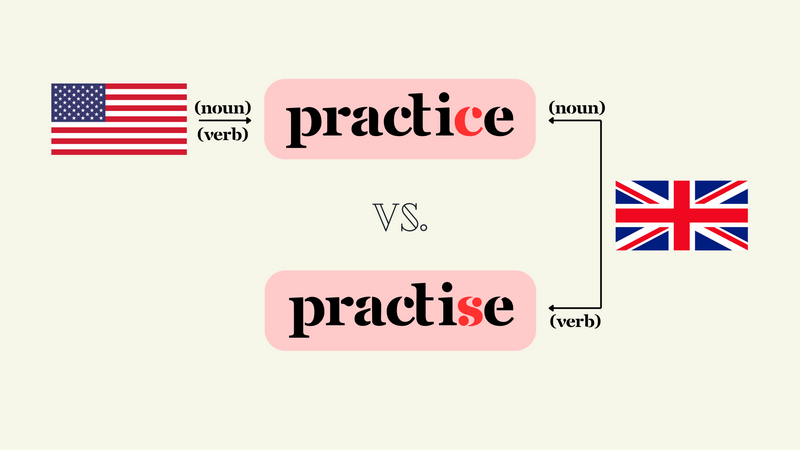
In the UK, using “observe” or “practise” typically sparks debate. Whereas each spellings are technically acceptable, understanding their nuances is essential for clear communication, particularly in skilled or educational contexts. This text delves into the delicate variations, exploring when to make use of every spelling and offering examples for readability.
The Fundamental Distinction: Follow Or Practise Uk
The important thing distinction lies of their operate. “Follow” usually denotes a routine or a particular exercise. “Practise,” however, is used extra typically to explain the act of studying or enhancing a ability by way of repeated effort. Consider “observe” because the noun and “practise” because the verb.
Navigating the nuances of “observe” or “practise” within the UK typically comes right down to a vital choice: are you going to completely decide to a activity, or do you have to rethink the method altogether? That is analogous to the “fish or reduce bait” idea, which encapsulates the thought of both persisting or abandoning a plan of action. fish or cut bait meaning.
Finally, the right spelling, and your method, relies on the context. The secret is understanding the supposed that means, whether or not it is within the context of a passion, occupation, or a bigger technique.
When to Use “Follow”
Use “observe” when referring to:
- A workplace: A medical observe, a regulation observe, or a dental observe.
- A routine or behavior: “He made it a observe to stroll each morning.”
- A area of examine or occupation: “The observe of regulation within the UK is very regulated.”
- A way or approach: “The observe of yoga has quite a few advantages.”
When to Use “Practise”
Use “practise” when referring to:

- The act of performing or exercising a ability: “He practises the piano daily.”
- The act of partaking in an exercise to enhance proficiency: “She practises her speech for the presentation.”
- The act of doing one thing repeatedly: “They practise their negotiation expertise on mock shoppers.”
Instance Eventualities
Let’s think about some eventualities for example the delicate variations:
- State of affairs 1: “The physician’s medical observe is situated on Excessive Avenue.” (Right here, “observe” is used as a noun describing the placement of the enterprise.)
- State of affairs 2: “She practises mindfulness day by day.” (Right here, “practise” is used as a verb, indicating the exercise of mindfulness.)
- State of affairs 3: “The varsity’s observe is to start the day with a prayer.” (Right here, “observe” is used as a noun referring to a customary process.)
- State of affairs 4: “He practises his artwork kind.” (Right here, “practise” refers back to the exercise of growing a ability.)
Nuances and Concerns
Whereas the above distinctions are usually useful, there are some conditions the place the selection between “observe” and “practise” could be much less clear-cut. In such circumstances, consulting a method information or a dictionary can present additional clarification.
Conclusion
Understanding the distinction between “observe” and “practise” within the UK context is important for efficient communication. By adhering to the rules Artikeld above, you’ll be able to guarantee readability and precision in your writing and speech.
Understanding the context is vital. If you happen to’re referring to a workplace, “observe” is sort of at all times the right selection. If you happen to’re describing the act of performing or enhancing a ability, “practise” is extra acceptable.
[See also: UK English vs. US English Spelling Differences]
[Image: Table comparing “practice” and “practise” usage in different contexts]
Navigating the nuances of “observe” or “practise” within the UK will be tough. Understanding the delicate variations in spelling and utilization is essential for efficient communication. This typically results in deeper exploration of language, equivalent to appreciating the gorgeous expressions of affection present in phrases like “my love” in numerous languages. For instance, exploring “my love” in Spanish can open a brand new world of understanding.
my love in spanish language Finally, mastering the right spelling and utility of those phrases is vital to clear and exact communication, irrespective of the topic.
Now that you’ve a greater grasp of the delicate nuances of those spellings, are there any particular conditions the place you’d wish to know the popular utilization? Share your ideas within the feedback under!
Understanding the nuances of “observe” or “practise” within the UK is vital to efficient communication. This typically comes right down to context, however think about the fascinating etymology of phrases like “practise,” a 7 letter phrase starting with f, found here. Finally, mastering these delicate variations can elevate your written and spoken English in skilled and private settings.
Additionally, think about sharing this text with others who may discover it useful. [See also: Sharing Best Practices for Content]
Understanding the nuances of “observe” or “practise” within the UK context is vital to efficient communication. This typically comes right down to understanding the implied that means of phrases, like “holding the road.” A transparent understanding of what “holding the road” means in a given scenario is essential to appropriately utilizing observe/practise in that context. For instance, “holding the road” in negotiations may have an effect on the way you observe or practise a technique.
Finally, selecting the right spelling displays a complicated understanding of the English language, each in its formal and casual utilization, and within the UK context. what does hold the line mean
In conclusion, navigating the intricacies of “observe” versus “practise” within the UK context requires a mix of understanding the historic roots of the language and adapting to trendy utilization traits. By fastidiously contemplating the context, you’ll be able to talk successfully and confidently, showcasing a robust command of the English language.
FAQ Part
What’s the commonest kind used at present?
“Follow” is the extra ceaselessly used kind in trendy British English, particularly in casual settings and basic writing. Nevertheless, “practise” stays acceptable and is commonly most popular in particular contexts.
Are there any particular industries the place one kind is extra frequent than the opposite?
Skilled fields like medication or regulation may lean extra in the direction of “practise” for sustaining formality. Nevertheless, even inside these industries, the utilization is evolving, and “observe” is more and more seen in publications and communication.
How can I guarantee I take advantage of the right kind in my writing?
At all times think about the context and your viewers. If unsure, seek the advice of a dependable dictionary or type information. It will enable you to use probably the most acceptable and efficient spelling in your writing.
Does using “observe” or “practise” fluctuate between totally different areas inside the UK?
Whereas regional variations exist in all languages, the distinction between “observe” and “practise” within the UK shouldn’t be vital sufficient to impression basic utilization patterns. The distinctions are primarily contextual.
