
Objective-built organizations, fashioned for a particular function, are more and more necessary in in the present day’s world. From non-profits to specialised authorities companies, understanding their buildings, features, and impacts is essential for anybody searching for to navigate this advanced panorama. These entities usually drive vital change and innovation, however reaching their aims might be difficult. This deep dive explores the important thing facets of those organizations.
This exploration delves into the core parts of purpose-built organizations. We’ll study the various motivations behind their creation, analyze widespread organizational buildings, and talk about the vital position they play in shaping societal outcomes. We’ll additionally discover the potential pitfalls and techniques for measuring success. Understanding these organizations is vital to appreciating the affect they’ve on communities and industries.
Construction and Operate
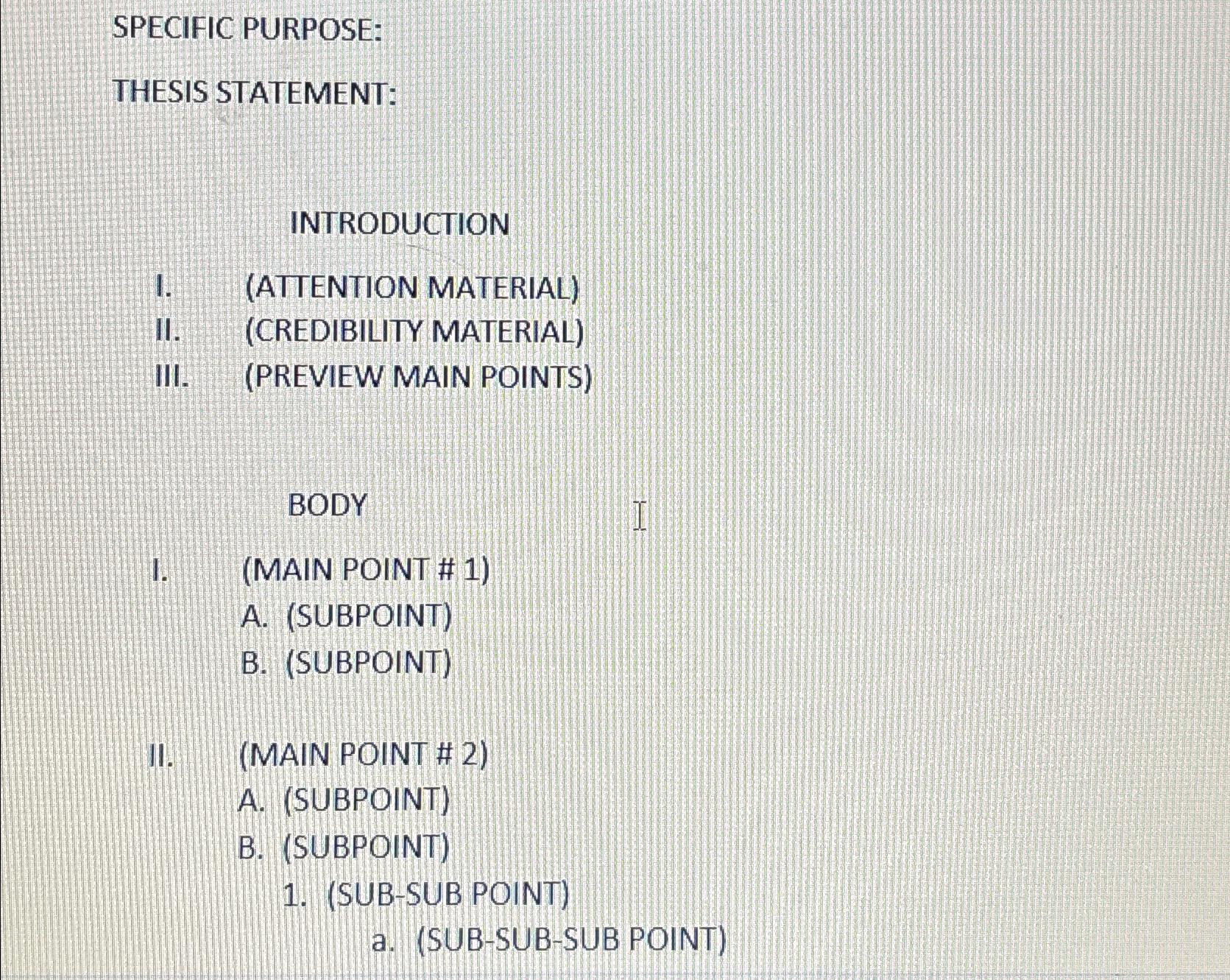
Objective-driven organizations, whether or not non-profits, authorities companies, or for-profit ventures, require a well-defined construction to successfully obtain their aims. This construction dictates how sources are allotted, duties are delegated, and accountability is maintained. Understanding these organizational frameworks is vital for optimizing efficiency and making certain alignment with the mission.Efficient organizational design is paramount for any entity fashioned for a particular function.
Organizations usually kind for a transparent goal. Understanding the nuanced that means of phrases like “approach to go means” can considerably affect how these aims are pursued and in the end achieved. This give attention to a particular function is vital for efficient technique and sustained success, making certain the group stays on observe.
A well-structured group facilitates environment friendly useful resource allocation, clear traces of communication, and accountability, all contributing to profitable mission accomplishment. A strong organizational construction minimizes conflicts and maximizes synergy amongst workforce members.
Organizations usually kind for a transparent goal. Understanding the nuanced that means of phrases like “approach to go means” can considerably affect how these aims are pursued and in the end achieved. This give attention to a particular function is vital for efficient technique and sustained success, making certain the group stays on observe.
Widespread Organizational Constructions, Shaped for a particular function
Numerous organizational buildings are employed by entities fashioned for a particular function. These buildings replicate the distinctive wants and complexities of every group. The most typical sorts embrace hierarchical, matrix, and flat buildings. Every construction has its strengths and weaknesses, making the number of essentially the most applicable construction essential.
Organizations usually kind for a transparent goal. Understanding the nuanced that means of phrases like “approach to go means” can considerably affect how these aims are pursued and in the end achieved. This give attention to a particular function is vital for efficient technique and sustained success, making certain the group stays on observe.
- Hierarchical Construction: This conventional construction incorporates a clear chain of command, with authority flowing from prime to backside. Reporting traces are well-defined, and every place has particular duties. This construction is appropriate for organizations with advanced processes and quite a few personnel. It is significantly efficient in organizations with a transparent division of labor and well-defined roles, fostering a robust sense of hierarchy and reporting construction.
Organizations usually kind for a transparent goal. Understanding the nuanced that means of phrases like “approach to go means” can considerably affect how these aims are pursued and in the end achieved. This give attention to a particular function is vital for efficient technique and sustained success, making certain the group stays on observe.
Examples embrace giant companies and authorities companies.
- Matrix Construction: This construction combines purposeful and project-based reporting traces. Workers usually report back to a number of managers, fostering collaboration throughout totally different departments. This construction is beneficial when initiatives require experience from numerous purposeful areas. Matrix buildings can improve cross-functional cooperation and communication, however may create ambiguity in reporting traces.
- Flat Construction: This construction minimizes hierarchical ranges, fostering higher communication and collaboration amongst workforce members. It’s usually utilized in smaller organizations or these emphasizing worker empowerment. This construction can improve worker autonomy and productiveness, however could require cautious consideration of decision-making processes to stop ambiguity.
Roles and Obligations
The success of a purpose-driven group relies upon closely on the roles and duties of its members. Clear definitions of roles and duties be certain that everybody understands their contribution to the general mission. This readability reduces ambiguity, minimizes conflicts, and fosters a collaborative work atmosphere.
- Government Management: The management workforce units the strategic course, establishes insurance policies, and displays efficiency. Their roles are essential in aligning the group’s actions with its mission and imaginative and prescient.
- Operational Groups: These groups are chargeable for finishing up the day-to-day duties and operations required to realize the outlined aims. Their roles are very important in translating strategic plans into actionable steps.
- Assist Workers: These people present important help providers, making certain easy operations. Their roles are essential in making certain the group features effectively.
Features and Duties
A transparent understanding of the features and duties wanted to realize the organizational aims is crucial. This breakdown permits for environment friendly allocation of sources and personnel. Efficient planning entails fastidiously defining every operate and activity, establishing measurable outcomes, and allocating sources to realize them.
Organizations usually kind for a transparent goal. Understanding the nuanced that means of phrases like “approach to go means” can considerably affect how these aims are pursued and in the end achieved. This give attention to a particular function is vital for efficient technique and sustained success, making certain the group stays on observe.
- Planning: Defining the organizational targets and creating methods to realize them.
- Organizing: Assigning duties and sources to realize aims.
- Main: Guiding and motivating personnel to realize targets.
- Controlling: Monitoring progress and making vital changes.
Organizational Hierarchy
A well-defined organizational hierarchy clarifies reporting traces and ensures accountability. This construction ensures that duties are clearly outlined, and every member is aware of to whom they report. It’s important for efficient communication and coordination throughout the group.
| Stage | Position | Reporting Line |
|---|---|---|
| Government Management | CEO, Board Members | N/A |
| Mid-Stage Administration | Division Heads, Challenge Managers | Government Management |
| Operational Workers | Group Leads, Specialists | Mid-Stage Administration |
| Assist Workers | Administrative Assistants, Technicians | Mid-Stage Administration or related division head |
Affect and Outcomes

Organizations fashioned for particular functions play an important position in addressing societal wants and driving innovation throughout numerous sectors. Their affect extends past rapid targets, usually influencing broader traits and shaping the long run panorama. Understanding the potential advantages, challenges, and metrics for fulfillment is crucial for efficient administration and impactful outcomes.Objective-driven organizations can considerably contribute to a extra sustainable and equitable world.
Their targeted efforts usually result in measurable enhancements in areas like environmental conservation, social justice, and financial improvement. These organizations might be catalysts for change, driving progress and fostering a optimistic societal affect.
Potential Impacts of Objective-Pushed Organizations
Objective-driven organizations can create a ripple impact throughout numerous societal domains. Constructive outcomes usually embrace improved public well being, enhanced academic alternatives, and elevated financial empowerment. They will function vital intermediaries between communities and sources, bridging gaps and accelerating optimistic change. These organizations may also spur innovation in numerous fields by creating new applied sciences and options for advanced challenges.
- Environmental Conservation: Organizations targeted on environmental safety can cut back air pollution, promote sustainable practices, and contribute to the conservation of pure sources. Examples embrace teams advocating for renewable vitality adoption, reforestation efforts, and safety of endangered species. The affect of such organizations might be substantial, from decreasing carbon emissions to preserving biodiversity.
- Social Justice Advocacy: Organizations devoted to social justice can champion human rights, promote equality, and battle towards discrimination. These organizations could give attention to points resembling entry to schooling, healthcare, and truthful labor practices. Their actions can result in profound societal shifts, bettering the lives of marginalized communities and fostering a extra simply society.
- Financial Empowerment: Organizations dedicated to financial improvement can present entry to sources, coaching, and help for people and communities searching for financial development. They will create job alternatives, promote entrepreneurship, and foster financial progress inside particular areas or demographics. Such organizations can contribute considerably to poverty discount and improved dwelling requirements.
Challenges Confronted by Objective-Pushed Organizations
Objective-driven organizations usually encounter obstacles of their pursuit of impactful outcomes. Useful resource constraints, bureaucratic hurdles, and an absence of public consciousness can hinder their effectiveness. Moreover, navigating advanced political landscapes and sustaining public belief can pose vital challenges.
- Useful resource Constraints: Funding limitations can severely limit a company’s skill to implement its applications and initiatives. This will result in delays, low-impact, and in the end, diminished effectiveness.
- Public Consciousness and Assist: An absence of public consciousness concerning the group’s mission and affect can hinder fundraising and volunteer recruitment. Efficient communication and outreach methods are essential to construct public help and recognition.
- Forms and Rules: Navigating advanced authorities laws and bureaucratic procedures might be time-consuming and dear. These processes can create vital delays and hinder the group’s skill to ship its providers effectively.
Measuring Success of Objective-Pushed Organizations
Defining and measuring success for purpose-driven organizations requires a multifaceted method. Conventional monetary metrics could not absolutely seize the worth created. Qualitative assessments, affect research, and neighborhood suggestions can present helpful insights into the group’s effectiveness.
- Quantitative Metrics: Observe key efficiency indicators (KPIs) resembling program participation, volunteer engagement, and monetary contributions. These metrics present a measurable snapshot of the group’s operational effectiveness.
- Qualitative Assessments: Collect suggestions from beneficiaries and stakeholders to evaluate the affect of the group’s applications on their lives. This contains direct interviews, surveys, and focus teams.
- Affect Research: Fee impartial evaluations to evaluate the long-term results of the group’s initiatives on the neighborhood. These research present a deeper understanding of the group’s affect and contribute to data constructing within the area.
Epilogue: Shaped For A Particular Objective
In conclusion, purpose-built organizations, regardless of their assorted types and missions, all share a standard thread: a transparent, outlined goal. Understanding their buildings, features, and potential impacts is important for anybody within the trendy panorama of social and financial change. We have explored the core rules behind their operation, highlighting the significance of strategic planning, efficient management, and a robust understanding of the target market.
Their success hinges on a mixture of cautious planning, environment friendly execution, and a relentless analysis of progress towards their outlined targets.
Fast FAQs
What are some examples of organizations fashioned for a particular function?
Examples embrace specialised authorities companies just like the Environmental Safety Company, non-profits devoted to particular causes (e.g., a basis targeted on clear water initiatives), and even activity forces assembled for a specific mission.
What are the potential challenges these organizations face?
Funding constraints, competing priorities, sustaining public belief, and navigating advanced regulatory environments are widespread hurdles. Adaptability and resilience are key to overcoming these challenges.
How can the success of a purpose-driven group be measured?
Metrics rely closely on the particular function. Quantitative measures (e.g., variety of beneficiaries served, affect on environmental indicators) and qualitative assessments (e.g., neighborhood suggestions, professional evaluations) are sometimes utilized in mixture to offer a complete image.
What components affect the organizational construction of a purpose-built entity?
The complexity of the duty, the sources out there, and the specified degree of accountability all play a task in shaping the organizational construction. A streamlined construction may be applicable for smaller, targeted initiatives, whereas a extra advanced construction could also be wanted for large-scale initiatives with a number of stakeholders.
